
Well, folks, it’s that time again… when a natural disaster strikes, and you expect the government to swoop in like superheroes. But what do you get instead? A heavy-handed bureaucracy that’s more interested in flexing its muscles than actually helping. Enter Hurricane Helene, where grassroots relief efforts faced shocking government interference. Local volunteers and donations, the lifeblood for those affected in the Appalachian communities, have been completely disrupted by the arrival of the federal and state agencies like FEMA, TEMA, and the Red Cross.

Confiscation of Donations and Disruption of Volunteer Efforts
According to locals (yes, the people actually living there)… these bureaucratic behemoths have been seizing donations meant for schools and community efforts. Take the case of Davy Crockett High School in Washington County, where supplies—including cold, hard cash—were confiscated and sent off to TEMA’s black hole of regulations. What’s the endgame here? Instead of using that money to help people right now, it’s going to sit there for future emergencies… because clearly, that’s what’s most important.
Alicia Schubert, a local resident, sums it up perfectly: local churches and individuals are more trustworthy outlets for donations. So why send your hard-earned money through the government? Spoiler alert: you shouldn’t.
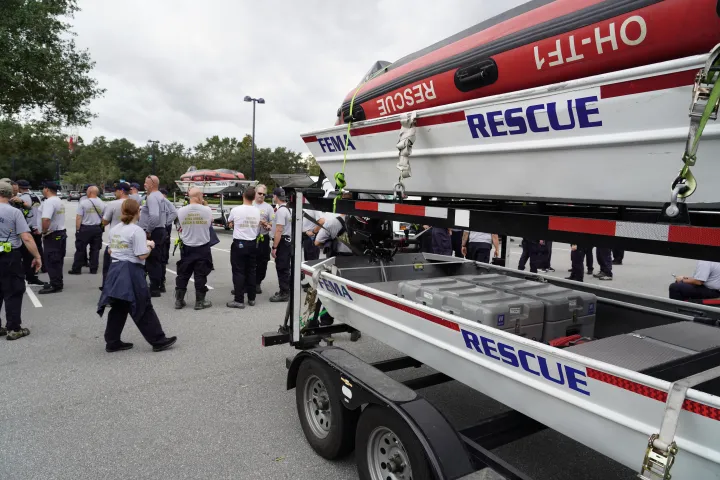
Volunteers Pushed Out, Government Takes Over
And the audacity doesn’t stop there. FEMA and TEMA have reportedly told local volunteers, who’ve been working their tails off to distribute food, water, and other essentials, to step aside. Apparently, you can’t help unless you’re certified through United Way. Really? Talk about bureaucratic red tape! This nonsense has sidelined the very people who were on the front lines, creating even more hurdles in getting supplies to those who desperately need them.
One fed-up local put it bluntly:
“No joke, we’ve spent hundreds of thousands of dollars in fuel for privately owned, citizen volunteer helicopter rescues for five days now.”
Meanwhile, thousands remain missing while government agencies—arriving late to the party—are more focused on regulating aid than actually providing it.
Helicopter Pilot Jordan Seidhom’s Struggle to Help

Enter Jordan Seidhom, a helicopter pilot with rescue training who took it upon himself to rescue stranded individuals in North Carolina. Sounds like a hero, right? Well, not according to local law enforcement. After he made successful supply deliveries and rescues, he was met with a local sheriff’s official threatening him with arrest. Seriously? He was trying to save lives!
Despite the risks and hurdles, Seidhom attempted to return to the mountain for more rescues. But just when you think it can’t get any crazier, a Lake Lure fire official insisted he stop his operations, claiming he was “interfering” with their efforts. This highlights just how absurd it can be when private citizens step up to help while official agencies drop the ball.
Why Appalachians Don’t Trust the Government
Let’s get real for a moment. The actions of FEMA, TEMA, and the Red Cross have only cemented the distrust Appalachians have toward government intervention. For five days post-Hurricane Helene, it was local volunteers who were the real heroes—organizing rescues and distributing supplies. Once the feds arrived, they did what they do best: create obstacles instead of helping.
And that’s why many in Appalachia would rather rely on their communities than wait around for the government to get its act together. These agencies might have rules, but they often seem completely disconnected from the immediate needs of disaster-stricken areas.

Conflicting Reports and Misunderstandings
Of course, not everyone sees it that way. Some, like Mikhail Moriarti, claim the confiscation of property could be due to mislabeling or scams. He urges people to report illegal actions to local law enforcement and to educate themselves about the Stafford Act—because why not add another layer of complexity?
But let’s be clear: neither FEMA, TEMA, nor the Red Cross has the legal right to seize donations. Moriarti encourages witnesses to report such actions, but that doesn’t do much for those local volunteers who’ve lived through what they describe as government overreach.
Conclusion: Local Efforts vs. Government Bureaucracy
The chaotic response to Hurricane Helene isn’t just an isolated incident… it highlights the glaring disconnect between local, community-led relief efforts and the slow-moving government response. Appalachians are independent and resilient, and they’re turning back to their own networks for help. Churches, local leaders, and individuals are stepping in to fill the gaps, but it raises serious questions about how disaster relief should be handled in the future.
This situation demands more flexibility in government disaster responses. Instead of sidelining local volunteers, the goal should be to work alongside them. Until that happens, many in the affected areas will continue to see government help as a last resort rather than the first line of defense. And who can blame them?