
Kamala Harris has thrown her hat into the ring with Tim Walz, Minnesota’s governor, as her running mate for the 2024 presidential race. On the surface, this might seem like a strategic move, but let’s dig a bit deeper.
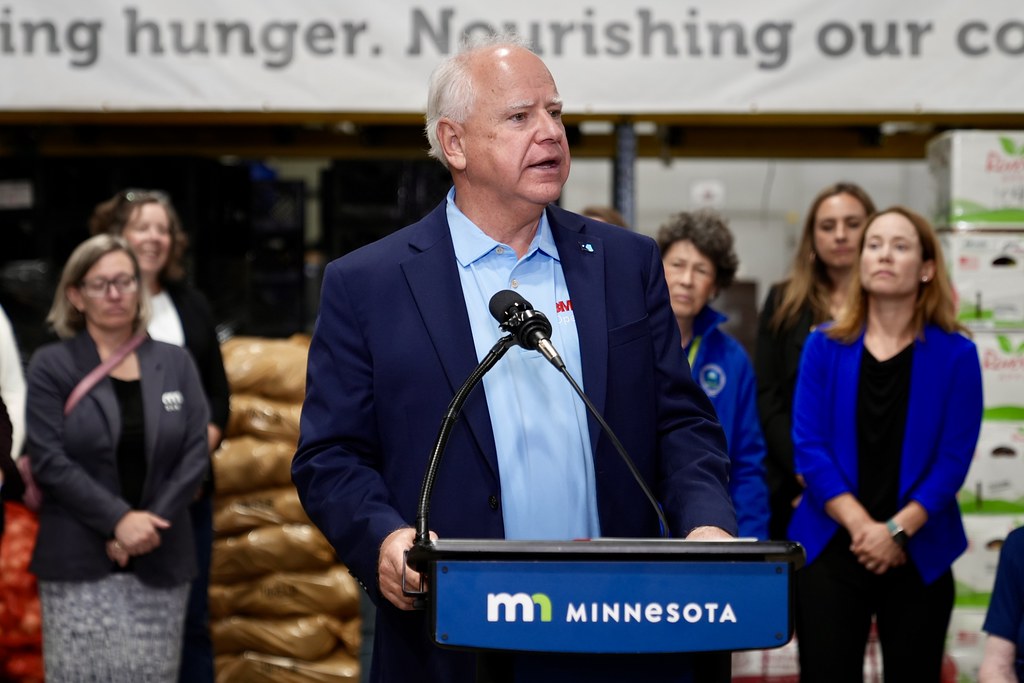
Walz, a former high school teacher, football coach, and Army National Guard member, brings a mix of experiences to the table. He’s been a representative in the U.S. House and has been governing Minnesota since 2018. On paper, this sounds impressive, but does it really add up to a vice-presidential candidate who can energize a campaign and appeal to the broader American electorate?
Harris and Walz made their first joint appearance in Philadelphia, branding themselves as two middle-class kids with shared values. Harris emphasized their humble beginnings and a vision of lifting people up. It’s a nice narrative, but does it resonate with the real struggles of everyday Americans?
Walz’s tenure as governor has been marked by several controversial policies and decisions. For instance, his handling of the George Floyd protests in 2020 was criticized for being too slow to deploy the National Guard, leading to widespread chaos and property damage. His approach to COVID-19, marked by strict lockdowns and mandates, also drew flak for negatively impacting businesses and personal freedoms.
Moreover, Walz has been a strong advocate for progressive policies like free college tuition for low-income students and free school meals. While these initiatives sound great in theory, they often translate to significant state spending and increased taxes, which might not sit well with all voters.
Walz’s Controversial History
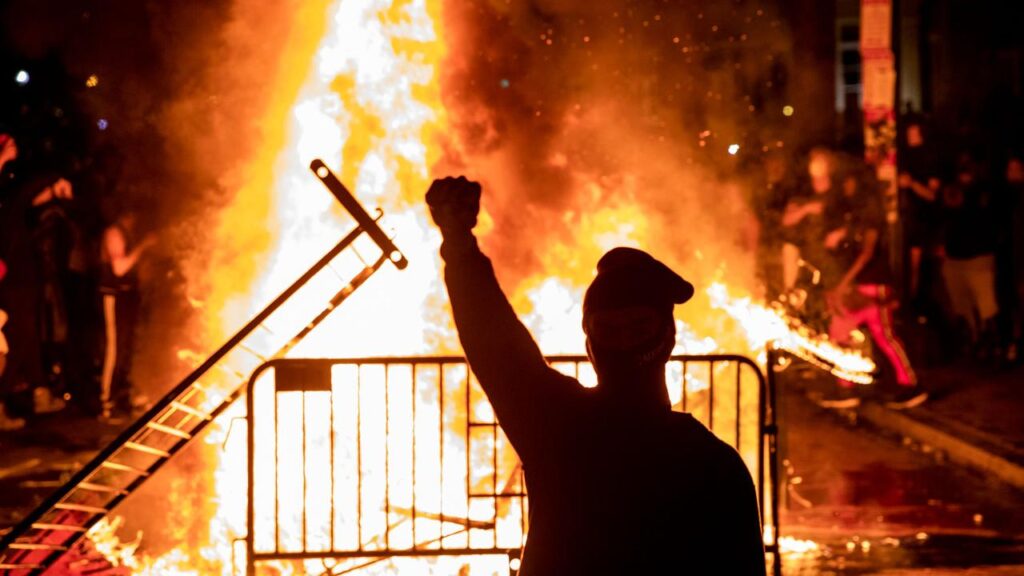
Walz’s leadership in Minnesota has not been without its controversies. His delayed response to the George Floyd protests is one glaring example. The riots that ensued after Floyd’s death resulted in over $500 million in property damage, leaving many Minnesotans questioning his crisis management skills. Critics argue that his hesitation to deploy the National Guard exacerbated the situation, leading to unnecessary violence and destruction.
His handling of the COVID-19 pandemic also drew significant criticism. Walz imposed stringent lockdown measures and mask mandates that many saw as overreaching. Small businesses were particularly hard hit, and many Minnesotans felt their personal freedoms were being trampled upon in the name of public health.
Adding to the list is Walz’s shift on gun control. Initially endorsed by the NRA with an “A” rating, he has since pivoted to support stricter gun control measures. This flip-flop has alienated some of his previous supporters and raised questions about his consistency and reliability on key issues.
Walz has also faced backlash for his progressive policies on immigration. He has supported making Minnesota a sanctuary state, limiting cooperation with federal immigration authorities. His administration has implemented programs providing state-funded healthcare, driver’s licenses, and college tuition to illegal immigrants. These policies have been lauded by some as humane and forward-thinking, but others view them as costly and detrimental to the state’s resources and security.
In terms of economic management, Walz’s decision to purchase a refrigerated warehouse for a potential COVID-19 morgue, which ended up unused, wasted over $5 million in state funds. Furthermore, a $250 million fraud scheme exploiting federal COVID stimulus dollars under his watch further taints his record.

Another controversial aspect of Walz’s tenure is the law he signed requiring public schools and charter schools in Minnesota to provide free menstrual products in all restrooms, including boys’ restrooms, for students in grades four through twelve. Critics argue that this measure is unnecessary and wasteful, as boys do not menstruate. However, supporters of the law claim it helps to destigmatize menstruation and ensures all students have access to essential health products, regardless of gender.
The GOP has already labeled Harris and Walz as the most radical ticket ever, pointing out Walz’s support for sanctuary state policies and his endorsement from far-left figures like Bernie Sanders and The Squad. This paints a picture of a ticket that could be seen as out of touch with more moderate and conservative voters.
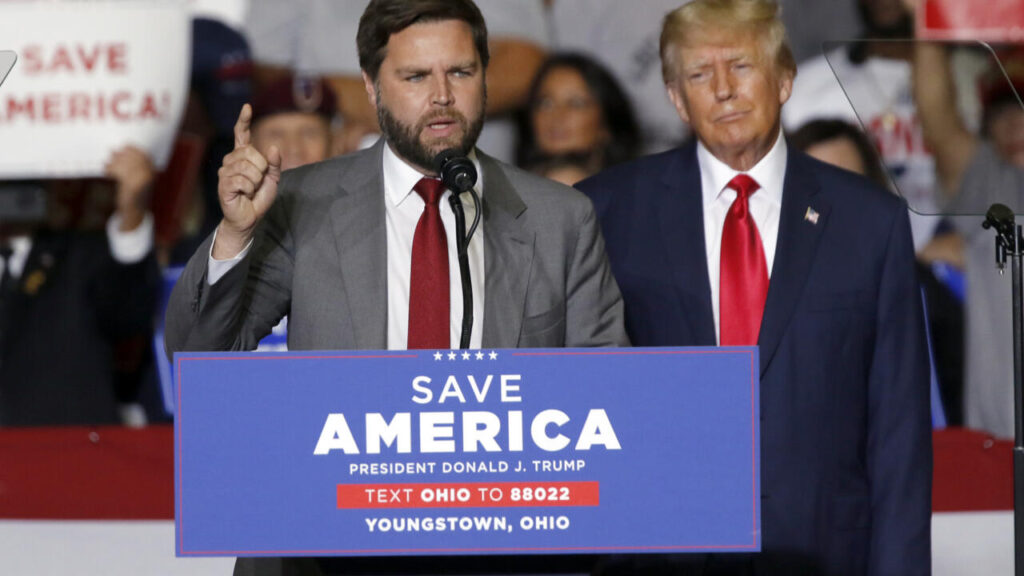
In contrast, Trump and his running mate JD Vance are likely breathing a sigh of relief. Walz’s selection provides ample fodder for them to attack the Democratic ticket as too extreme.
So, while Harris’ choice of Walz may be seen as safe within the Democratic base, it raises questions about how it will play out in the general election. Is this the dynamic duo that will energize the Democratic base and sway undecided voters, or just another example of the left doubling down on their most progressive policies? Time will tell, but it’s clear that this choice has stirred the pot and set the stage for a contentious race ahead.