
Alright, buckle up and let’s dive into the tempestuous waters of Trump’s 2020 election saga. Some people, eager to scream “coup!” at the drop of a hat, need a reality check on what really went down. Spoiler: Trump’s use of alternate electors wasn’t some deranged scheme to overthrow democracy—it had historical precedent and a legal basis. But, hey, facts can be inconvenient when you’re more interested in a melodrama than the actual playbook.

The Law Behind Alternate Electors
First, let’s get the basics out of the way. Alternate electors come into play when there’s a dispute over election results. It’s not some wild, uncharted territory but rather a safeguard for cases where results are contested or certifications are dodgy. The whole idea is to have backup plans when the official count is still in flux, ensuring Congress can count all potential outcomes.
Historical Precedents: Not a New Trick
1876 Presidential Election: The Wild West of Voting
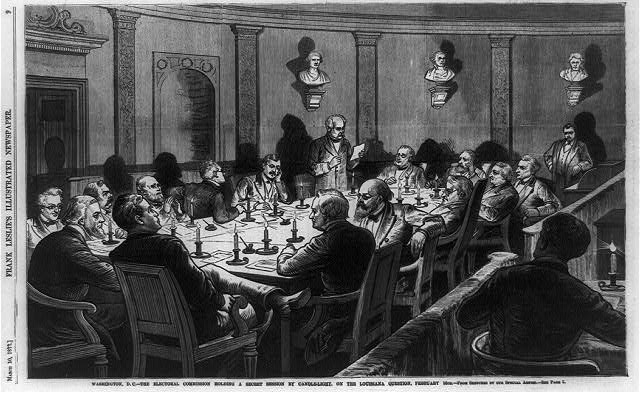
Here’s the old-school playbook: In 1876, the election between Rutherford B. Hayes and Samuel J. Tilden was a mess. Disputes over votes in Florida, Louisiana, South Carolina, and Oregon led to competing slates of electors being sent to Congress. Congress had to create the Electoral Commission to sort out the chaos, ultimately declaring Hayes the winner. This historic fiasco led to the Electoral Count Act of 1887, which clarified the process for handling multiple slates of electors.
1960 Presidential Election: Hawaii’s Showdown
Fast forward to 1960. Nixon and Kennedy were neck and neck in Hawaii. Initially, Nixon seemed to have won, but a recount flipped the state to Kennedy. Both Nixon and Kennedy’s electors cast their votes, but Kennedy’s slate got the nod once the recount was certified. This instance proved that alternate electors can be essential when election results are in dispute.
2000 Presidential Election: The Bush-Gore Circus
The 2000 election, or the Bush v. Gore spectacle, was a rollercoaster of recounts and legal wrangling in Florida. While Florida didn’t ultimately send alternate electors, the possibility was seriously considered. The U.S. Supreme Court’s decision to end the recount and award Florida’s votes to Bush showed that the process can get messy, but alternate electors were on the table if the legal winds had blown differently.

Trump’s 2020 Gambit: Legal, If Not Perfect
So, what about Trump’s 2020 escapade? The use of alternate electors wasn’t unprecedented. He tapped into a legal safety net designed to deal with election disputes. Was it a textbook case of using alternate electors? No. Did it have legal grounding? Absolutely. The law, under the Electoral Count Act of 1887, provides a framework for handling such scenarios.
According to Section 2 of the Act:
“When any State shall have presented two or more lists of electors… the President of the Senate shall announce and call for the count of all the electoral votes of that State which were cast for such electors who were certified by the Governor or other officer or officers authorized to make such certification.”
Translation: If there are multiple lists of electors, Congress should count the ones certified by the state’s top officials. This isn’t a loophole—it’s a part of the system designed to handle disputes.
The VP’s Role: Not Just a Bystander
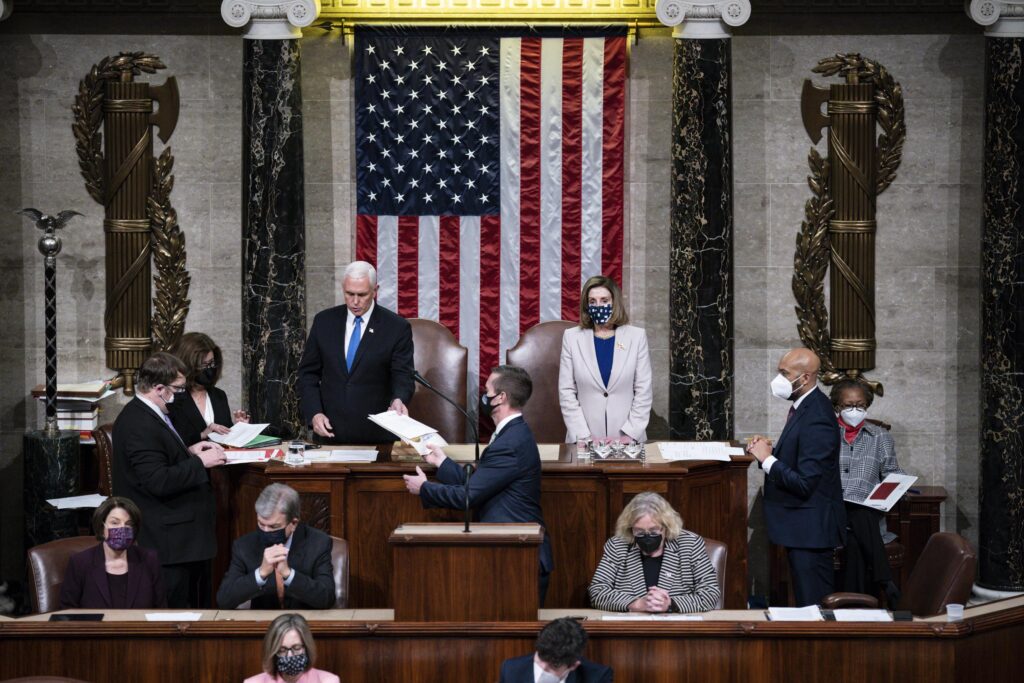
Now, let’s talk about the Vice President’s role. The VP is supposed to manage conflicts and ensure proper procedures are followed. While they don’t have the power to single-handedly prevent wrongdoing, it’s their job to handle the process with the seriousness it deserves. They’re the referee, not the quarterback. If conflicts arise, it’s on them to help steer the ship, not just wave from the sidelines.
Conclusion: Not a Coup, Just a Contested Process
In summary, Trump’s use of alternate electors wasn’t some unhinged ploy to dismantle democracy. It was a legitimate, albeit contentious, part of the electoral process when results are disputed. The historical precedents and legal framework show that such mechanisms are baked into our system. And while Trump’s execution might not have been flawless, the concept itself has been part of the electoral playbook for a long time. So, before jumping to conclusions, let’s remember that sometimes, what looks like chaos is just the legal machinery grinding away in the face of controversy.