
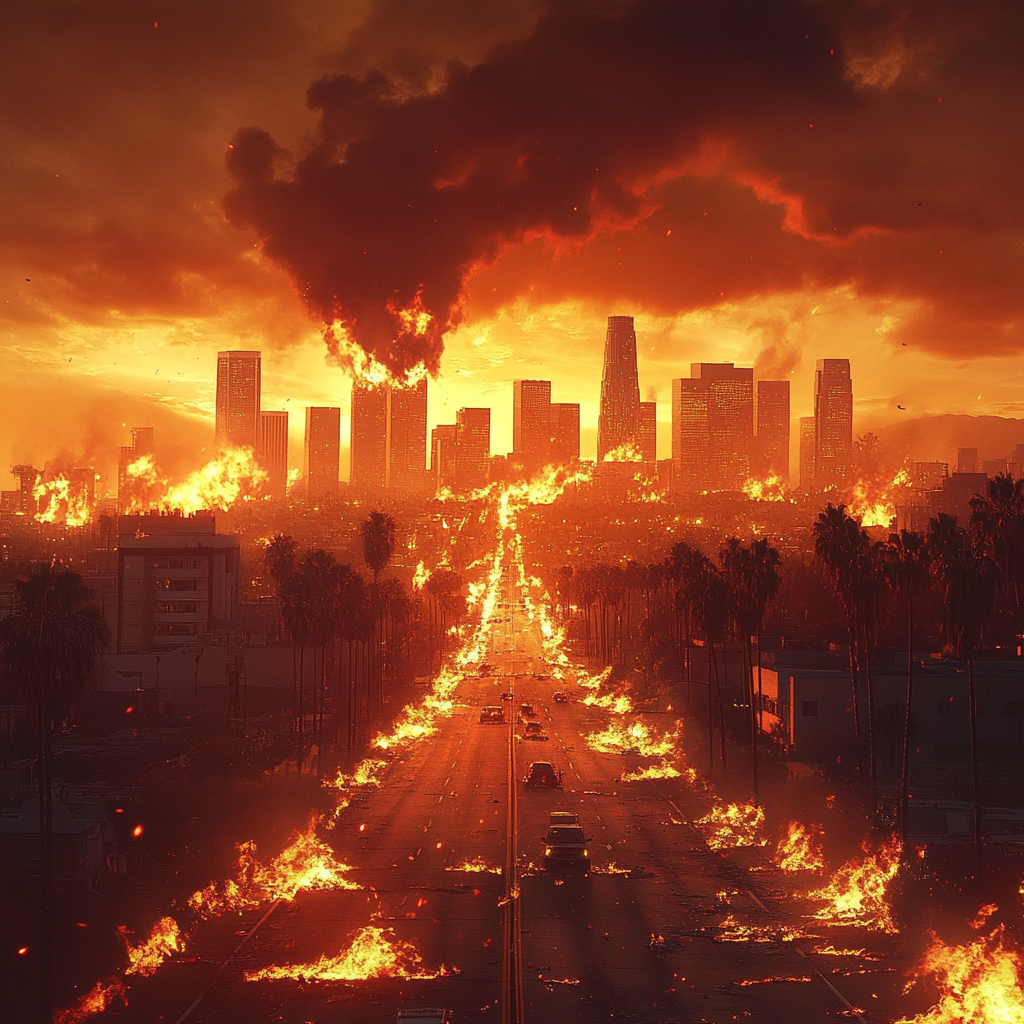
California is on fire. Again. If you’ve somehow missed it, Los Angeles is dealing with some of the most destructive fires in its history. Thousands of acres scorched, homes turned to ashes, and politicians scrambling to explain why the city wasn’t better prepared. But instead of actually addressing preparedness, we’re stuck with the usual doomsday sermon about climate change.
So, let’s get one thing straight: the climate is changing—because that’s what it has always done. Surprise! We’re still warming up after the last Ice Age. The Earth has been through cycles of warming and cooling long before humans showed up, and it will keep doing so long after we’re gone. If you honestly think we can “stop” a planetary trend billions of years in the making, I’ve got a beachfront property on the moon to sell you.
The Real Question: How Much Do We Actually Influence?
Most people don’t deny the planet is warming. What we challenge is the extent of human impact and, more importantly, our ability to hit the brakes on it. The Earth doesn’t care about your feelings or your carbon offset subscription. Even if humanity vanished tomorrow, the planet would still warm because that’s what planets exiting ice ages do.
What we need is not some fairy tale about “saving the planet” but practical strategies to deal with what’s happening.
Fires, Droughts, and the Endless Blame Game
The LA fires are a perfect example of how not to handle a crisis. Instead of pointing fingers at climate change as the sole culprit, maybe—just maybe—we could talk about preparedness.
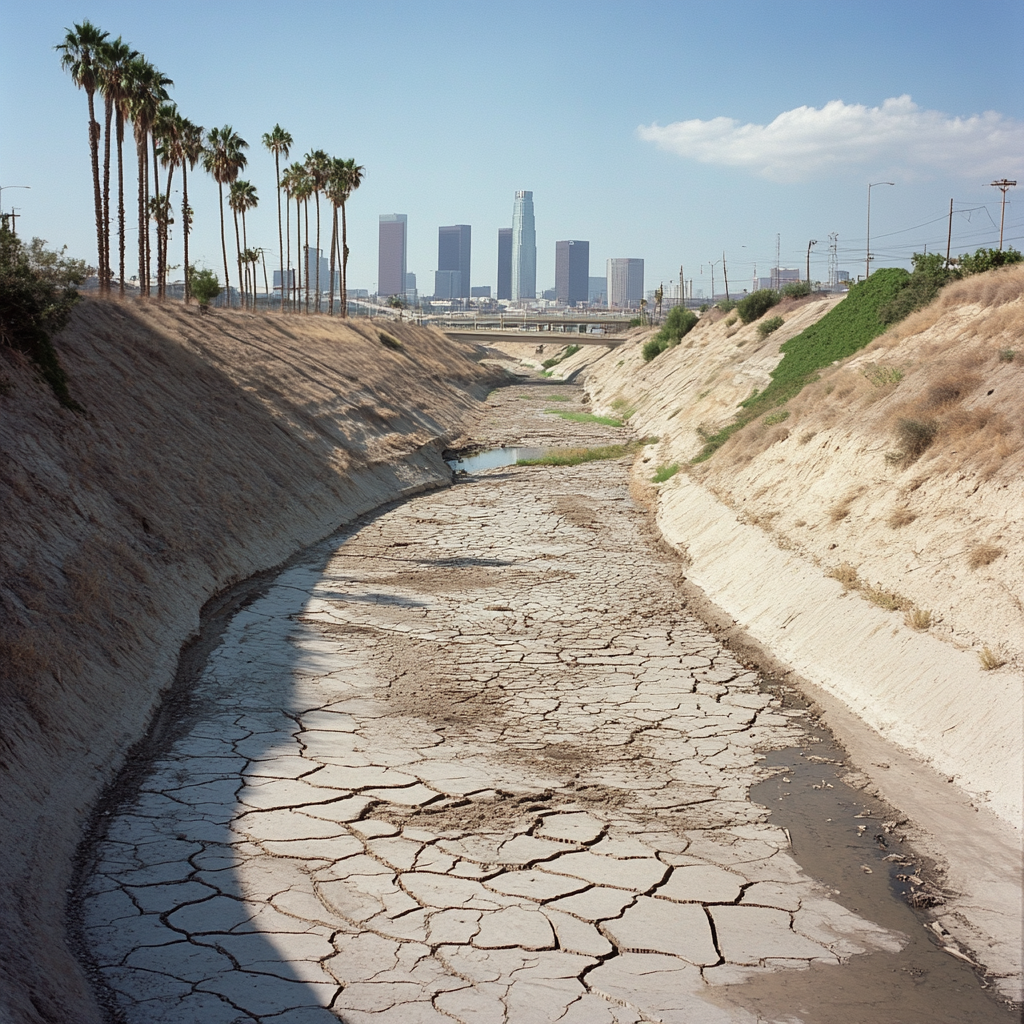
- Why was the Santa Ynez Reservoir empty and under maintenance? Genius move, right?
- Why weren’t there better evacuation plans or more robust water supplies in place?
- And what about vegetation management? Controlled burns, deadfall and brush clearing, and firebreaks could have reduced fuel for these infernos.
But no, let’s all just blame “global warming” and call it a day.
Ocean Water: An Untapped Resource
Here’s an idea: we’re surrounded by a massive ocean. Why aren’t we using it? Desalination plants can turn saltwater into usable water instead of waiting for hydrants to fail. With today’s technology, we could pump that water into reservoirs or irrigation systems to keep vegetation from becoming tinder. Yes, desalination is expensive, but is it more expensive than $150 billion in fire damage? Doubt it.

Drought Relief: Look Up
Cloud seeding is another underutilized tool. By injecting silver iodide into clouds, we can stimulate rain. It’s not a perfect solution, but it could help mitigate drought conditions that make fires worse.
And before you claim it’s some ignorant piece of science fiction, educate yourself.. it’s real, it works and California has used it before.
Why aren’t these ideas front and center? Because it’s easier to shout “climate change!” than actually invest in solutions that work.

Preparation, Not Panic
Let’s face reality: the climate is changing, and while we might contribute to that, we’re not going to stop it. Our best bet is to prepare for what’s coming. That means better infrastructure, smarter resource management, and using the tools we already have.
So instead of wringing our hands and blaming humanity for existing, let’s focus on practical solutions. California didn’t need to lose thousands of homes this year. Fires might be inevitable, but the scale of destruction doesn’t have to be.

The Hard Truth
The truth is, we’re lucky to be warming rather than cooling. While warming brings challenges like rising sea levels, wildfires, and heatwaves, these are easier to manage than the severe cold, shorter growing seasons, and crop failures a cooling Earth would cause. The difficulties of warming are more adaptable—longer growing seasons and milder winters offer better opportunities than the risks of a cooling climate. Instead of trying to condition the planet, we should focus on adapting—building resilient infrastructure and improving resource management. Warming may not be ideal, but it’s far less damaging than cooling.
The Earth’s climate will continue to shift, with or without us. The question is, will we be ready? Right now, it sure doesn’t look like it.
This article is super interesting! I never thought about desalination before. It’s nice to read practical solutions instead of just panic. Let’s work together to fix things!
I really like this post! It makes me think that we should be more prepared for the future. We can’t just blame climate change all the time. Great ideas about using ocean water too!
Wow, who knew the climate has been changing for billions of years? Next, they’ll tell us that the sky is blue because it’s just blue. Groundbreaking stuff here!
So let me get this straight: the Earth is warming, but we should just prepare better instead of addressing climate change? What a revelation! I’m sure that will solve everything… not.
Desalination plants? Cloud seeding? Why not just sprinkle some magic dust and call it a day? Practical solutions are so last century!
‘Warming is better than cooling’? I never thought of it that way! But still, can’t we do both—adapt and address human impact? It feels like we’re missing something important here.