
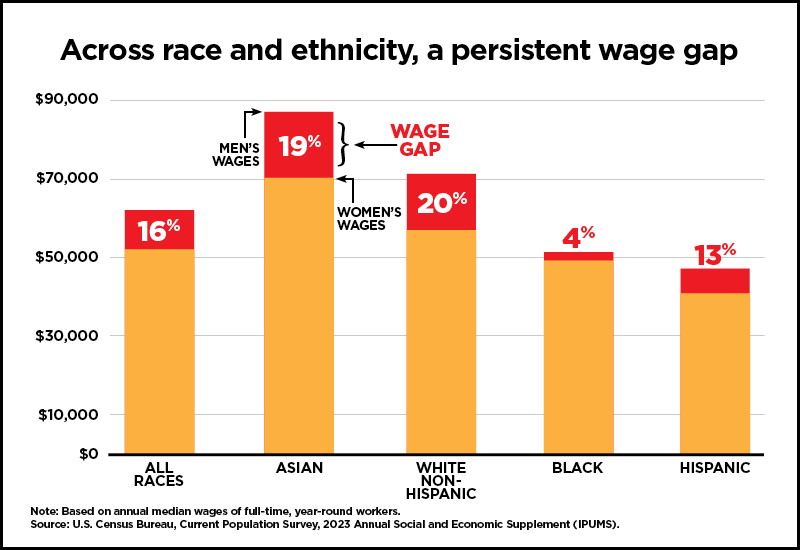
The gender pay gap is one of those perennial topics that never seems to go away. Headlines shout that women earn 82 cents for every dollar men make, and the conversation quickly turns to discrimination. But how accurate is this narrative? Is the gender pay gap really a result of widespread gender bias, or are there other factors at play that complicate the story?
Understanding the Basics: What Is the Gender Pay Gap?
The gender pay gap refers to the difference in earnings between men and women, typically expressed as a percentage of men’s earnings. The oft-cited statistic that women earn 82 cents on the dollar compared to men is an average that doesn’t account for numerous variables. When economists dive deeper, they find that factors like industry, education, job type, hours worked, and experience play a significant role in the gap.
Breaking Down the Numbers: What’s Really Happening?
When these variables are accounted for, the gender pay gap narrows significantly, often to the point where it’s just a few percentage points. For instance, studies have shown that when you compare men and women in the same job with the same qualifications and experience, the pay gap shrinks to between 2% and 5%. This smaller gap is often called the “unexplained” pay gap because it remains even after controlling for various factors.
But here’s where the debate gets tricky: this unexplained gap is frequently attributed to discrimination. It’s important to note that the mere existence of an unexplained gap doesn’t automatically mean that discrimination is the cause.
The Role of Discrimination: Fact or Fiction?
There’s no denying that discrimination can and does happen in the workplace. High-profile lawsuits and studies have documented instances where women were paid less than men for the same work. However, much of the evidence for discrimination in the gender pay gap debate is anecdotal or circumstantial.
For example, case studies and surveys often highlight individual experiences of discrimination, which, while concerning, don’t necessarily represent broader trends across the entire workforce. These stories are important, but they don’t provide the comprehensive data needed to make sweeping generalizations.
The Problem with Attribution: Jumping to Conclusions
One of the biggest issues in the gender pay gap debate is the tendency to attribute the entire unexplained gap to discrimination. This is a leap that isn’t always justified by the data. Just because we can’t fully explain the gap with measurable factors doesn’t mean that discrimination is the only explanation. Other possibilities, like differences in how men and women negotiate salaries or prioritize work-life balance, might also be at play.
Economists have pointed out that the residual gap, often cited as proof of discrimination, could be influenced by a range of unmeasured variables. For instance, women may be more likely to take time off for caregiving, leading to fewer years of continuous experience compared to men, which can impact earnings over time.

The Anecdotal Evidence Trap
Anecdotal evidence, such as personal stories of discrimination, can be powerful, but it’s important to remember that these are individual experiences. While they highlight potential issues, they don’t necessarily reflect systemic discrimination. Anecdotal evidence is valuable in understanding the lived experiences of women, but it’s not enough to draw broad conclusions about the causes of the gender pay gap.
A Balanced View: What’s the Real Story?
The gender pay gap is real, but it’s a complex issue with multiple contributing factors. While discrimination may play a role, it’s not the sole cause of the gap. Factors like career choices, education, experience, and even personal preferences all contribute to the differences in earnings between men and women.
The key takeaway is that the gender pay gap cannot be fully understood without considering the various factors that influence earnings. It’s also important to approach the issue with a critical eye, recognizing that the unexplained gap is not automatically evidence of discrimination. Instead, it could be a reflection of the many complex and nuanced decisions that men and women make throughout their careers.
Conclusion: Moving Beyond the Headlines
In the end, addressing the gender pay gap requires more than just pointing to discrimination. It requires a nuanced understanding of the many factors that contribute to differences in earnings. By acknowledging the complexity of the issue, we can move beyond simplistic narratives and work towards solutions that address the real challenges facing men and women in the workforce today.